
If you don't commit to anything, you'll be distracted by everything.
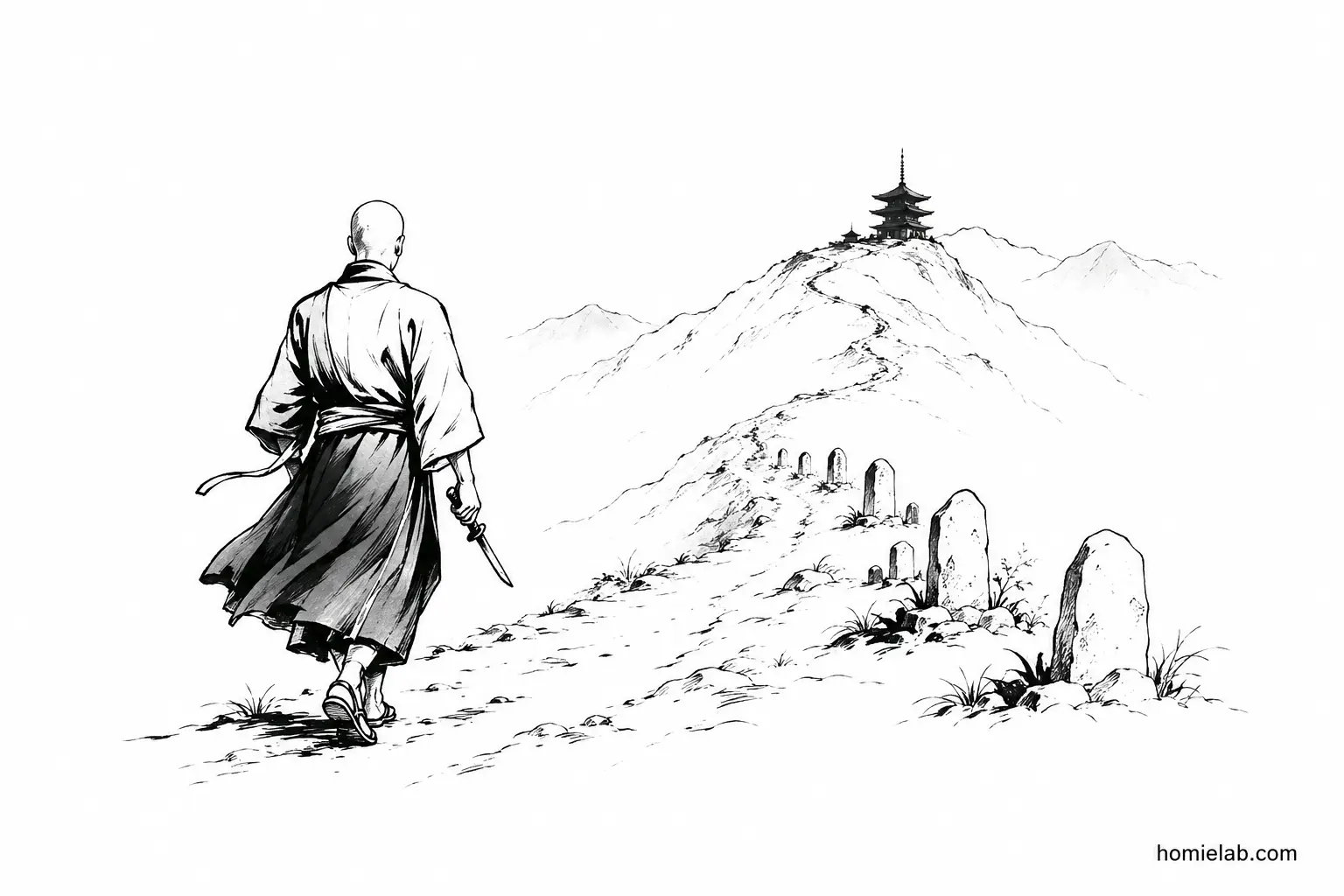
In the hills northeast of Kyoto, Japan, there is a mountain called Mount Hiei. The mountain is full of unmarked graves.
Those graves are the final resting place of Tendai Buddhist monks who failed to complete a task called Kaihogyo.
What is the task that killed so many of these monks? Is there anything you and I can learn from it?
Keep reading and I'll tell you.
The marathon monks
The Tendai monks believe that enlightenment can be reached in this lifetime through extreme self-denial.
For the Tendai, the act of self-denial, and the path to enlightenment, is a specific challenge called Kaihogyo. Because of this challenge, the Tendai are often called the "Marathon Monks".
But Kaihogyo is not an ordinary marathon.
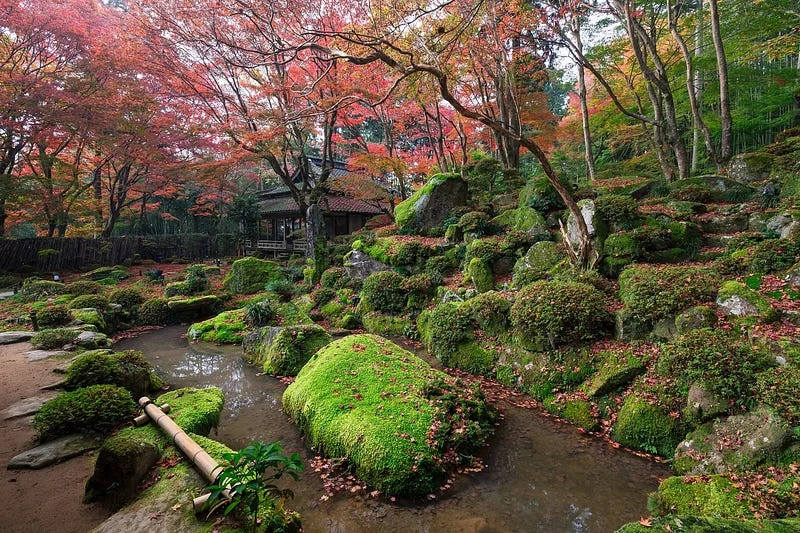
Kaihogyo
Kaihogyo is a 1,000-day challenge spread over seven years.
If a monk chooses to take on this challenge, this is what awaits him...
In the first year, the monk must run 30 km a day for 100 consecutive days.
In the 2nd year, the monk must again run 30 km a day for 100 consecutive days.
In the 3rd year, the monk must once more run 30 km a day for 100 consecutive days.
In the 4th year, the monk must run 30 km a day. This time for 200 consecutive days.
In the 5th year, the monk must again run 30 km a day for 200 consecutive days. After finishing the fifth year of running, the monk must go 9 days in a row without food, water or rest. Two monks stand beside him at all times to make sure he doesn't fall asleep.
In the 6th year, the monk must run 60 km a day for 100 consecutive days.
In the 7th year, the monk must run 84 km a day for 100 consecutive days. Then, for the final 100 days, the monk must run 30 km a day.
The distance and the running time are truly astonishing, of course, but there is one last condition that makes Kaihogyo unlike any other feat.
Day 101
During the first 100 days of running, the monk is allowed to withdraw from Kaihogyo.
From day 101 onward, however, there is no way back. The monk must complete Kaihogyo ... or take his own life.
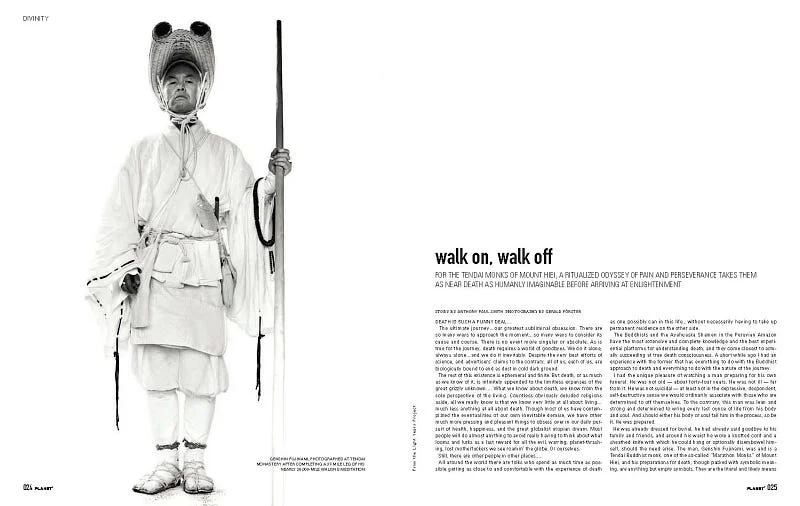
Because of this, the monks always carry a long rope and a short sword on their journey.
In more than 400 years, only 46 men have completed the challenge. Many others can be found in the unmarked graves on the hills of Mount Hiei.
3 lessons on toughness and commitment
The mental toughness of the Marathon Monks is remarkable, and their feat is nothing like most challenges you and I will face. But there is still a lot we can learn from them.
1. "Finish or kill."
The Marathon Monks are an extreme version of a finish-or-kill mindset. But you can take the same approach to your goals, projects and work.
If something is important to you, finish it. If not, kill it, that is, put an end to it.
If you have anything like this, then you probably have half your ideas half-finished and half your projects half-done. They don't all need to end up in a limbo.
Either something is important enough for you to finish, or it's time to end it. Fill your life with goals worth finishing and cut out the rest.
2. If you don't commit to anything, you'll be distracted by everything.
Most of us never face a challenge with the real possibility of death, but we can learn a lot from the monks' sense of commitment and conviction. They made it clear exactly what they were working on, and for seven years they organized their lives around the goal of completing Kaihogyo. Every distraction that came along didn't matter.
Do you think the monks were distracted by TV, movies, the internet, celebrity gossip, or anything else we usually waste time on? Of course not.
If you choose to, you can make the same decision in your life. Sure, your daily goals may not carry the same urgency as Kaihogyo, but that doesn't mean you can't approach them with the same sense of conviction.
We all have things we say are important to us. You might say you want to lose weight, or be a better parent, or create important work, or build a successful business, or write a book. But do you spend time on these goals above all else? Do you organize your day around getting them done?
If you don't commit to anything, you'll find that you're very easily distracted by everything.
3. It doesn't matter how long your goal will take, just start.
On day 101, the Tendai monks are thousands of miles and 900 days away from their goal. They are starting a journey so long and hard that you and I can barely imagine it. Yet they accept the challenge in full. Day after day, year after year, they work.
And seven years later, they finish.
Don't let the length of your goals stop you from starting them.
Never give up on a dream just because of the length of time it will take to accomplish it. The time will pass anyway.
- H. Jackson Brown
What is different between you and the Marathon Monks?
There is one very fortunate difference between you and the Tendai monks. You won't have to die if you don't reach your goal!
In the words of Seth Godin, you really do have the "privilege of being wrong". You don't have to die, you will learn something from failing.
What's more, you can always change your mind. If you commit to a goal, work on it for a year, and then decide whether it's really what you want, you are always free to choose something else.
This should lighten your load! You don't have to worry about committing to the right thing. If you're torn between options, just pick one. You can always adjust later.
You have the chance to pick a goal that matters to you and the privilege of failing with very few consequences. Don't waste that privilege.
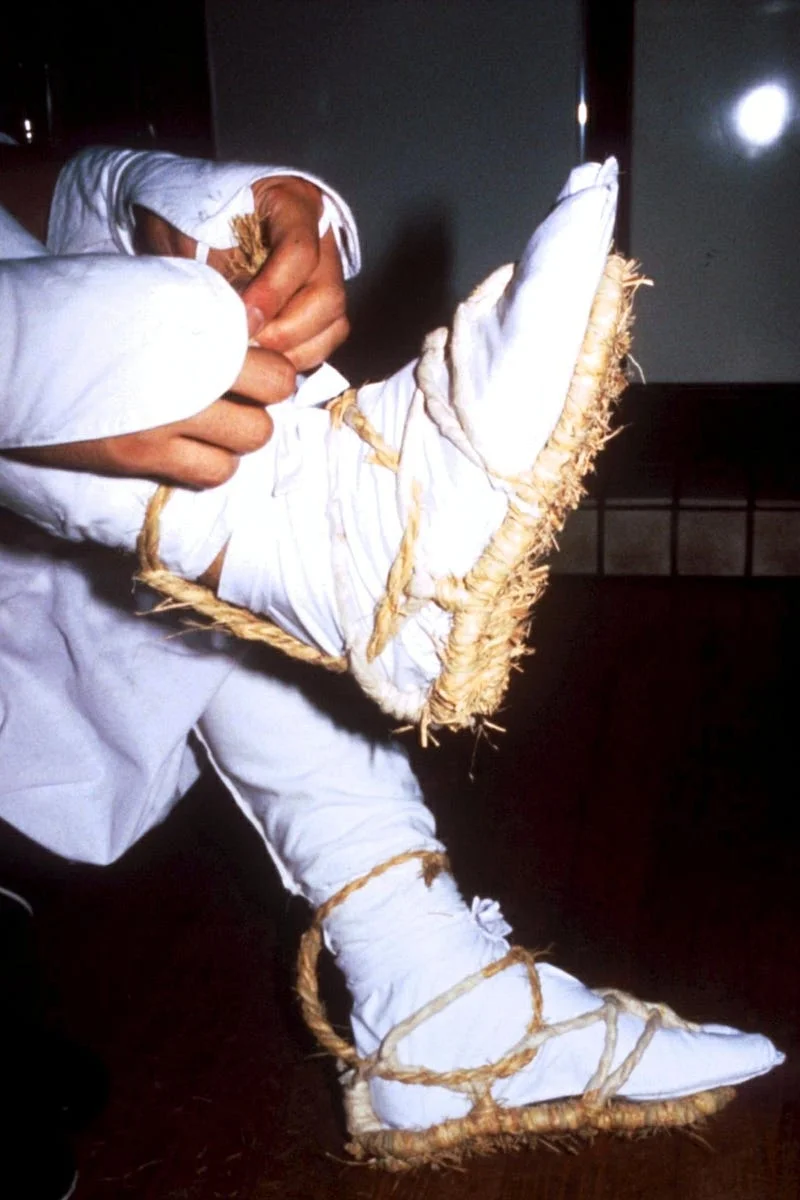
Where to go from here
The biggest lesson the Tendai monks offer people like you and me is the lesson of commitment and conviction.
Imagine the sense of commitment the monk feels on Day 101. Imagine what it feels like to embrace the last 900 days of that challenge. Imagine how you would feel accepting a goal so important to you that you tell yourself, either I finish it or I die.
If you have something that matters to you, then cut out the unrelated and unimportant tasks, start no matter how big the challenge is, and commit to your goal.
Every great challenge has a turning point. Today could be your Day 101. Today could be your Day of Commitment.
Author: James Clear (jamesclear.com)
Related posts
- The Greatest Book in Human HistoryA personal view on books, job interviews, and why the Book of Job in the Bible can be considered a great work.
- How to remove the GPS location from a photo before you share itPhone photos can carry the exact spot where they were taken. See whether yours does and download a clean copy without the location, right in your browser.
- How to make a contact QR code (vCard) for your business card, freeMake a vCard QR code in your browser: enter your name, phone, email and website, then print it on a business card so people save your contact with one scan.